
TRIAL BY SOCIAL MEDIA: WHEN THE INTERNET BECOMES THE JURY
Author: Tiu Zhe Pin (Aaron)
Date: 06.01.2026
It used to be that justice was blind. Justice hasn’t disappeared — it’s just fighting for screen time. Now, it scrolls, likes, and shares. Welcome to the 21st – century courtroom, where your jurors are influencers, your witnesses are anonymous commenters, and the judge is whatever’s trending on TikTok and Instagram. Before the gavel drops, before every piece of evidence is being tested, and sometimes before the police even arrive, social media has already declared who’s guilty. Forget innocent until proven guilty. Online, it’s more like viral until forgotten. The internet rarely forgives — and never forgets.
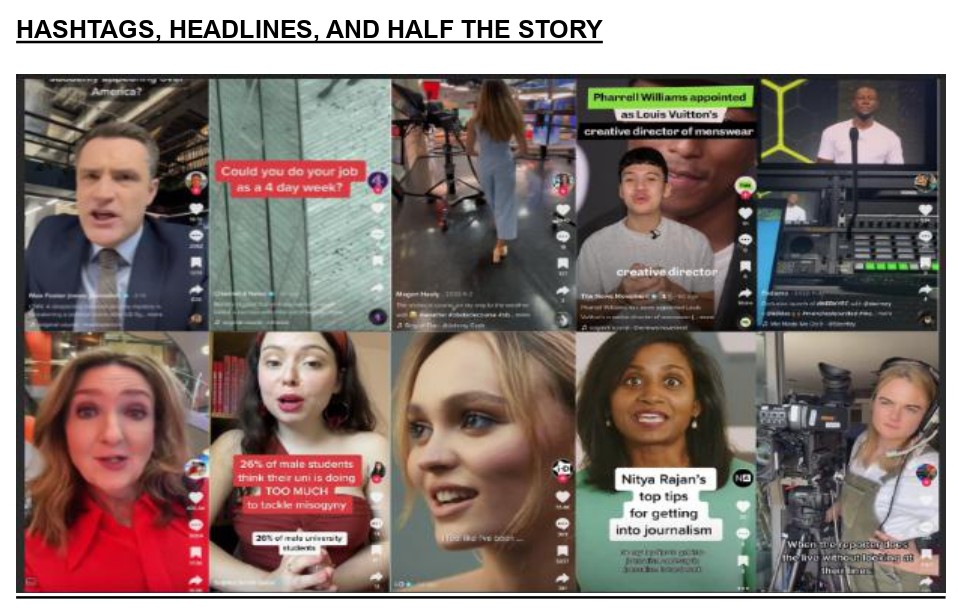
We used to wait for verdicts. Now, we get our “legal updates” from 15-second TikToks and reposted threads and hyperlinks. Everyone becomes a lawyer online, complete with moral outrage, dramatic options, and speaking from personal experience, that kind of “analysis” wouldn’t pass a first-year law school exam. One viral clip can spark outrage faster than a writ can be filed. It doesn’t even need to be accurate, just entertaining. Truth struggles to compete with engagement.
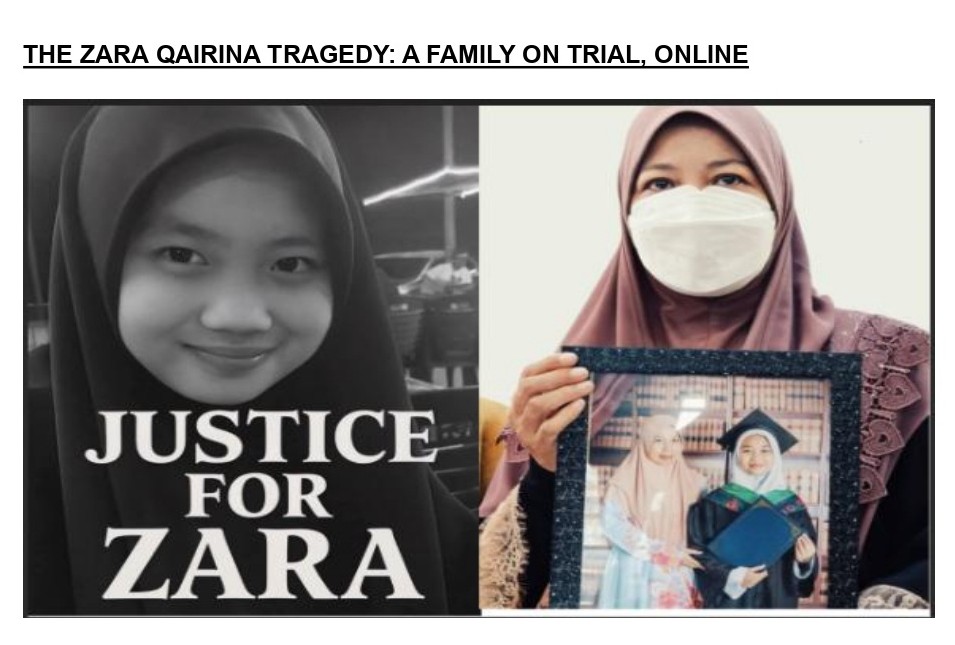
In July 2025, Malaysia was shaken by the death of 13-year-old Zara Qairina Mahathir, found unconscious at her school at her school dorm in Papar, Sabah. She passed away a day later. Five teens were charged, the internet erupted.
Alright you so called “online lawyers”, on one side, the gavel-pounding chorus:
“Name and shame them! If they are old enough to bully, they are old enough to be exposed! How is this justice when only one side is hidden?”
On the other hand, the defenders of due process:
“They are children! The law protects them for a reason. We do not do mob justice, let the court decide!”
And caught in the crossfire? A grieving family, whose privacy became the internet’s first casualty. Soon after, the teens were charged in the Court for Children under Section 507C (1) of the Penal Code Act 2025, the first-ever case under Malaysia’s new anti-bullying law. They were not charged over Zara’s death, but the internet didn’t wait for the court to clarify. The verdict was already in, delivered by comment section.
Within hours, #JusticeForZara was trending. TikTok detectives posted theories. Videos dissected every rumour. Even Zara’s grieving family couldn’t escape the spotlight. Their photos and names spread across social media, often without consent. Meanwhile, the accused(s) remained anonymous, protected by Section 15 of the Child Act 2001, which shields minors from public identification.
Rightfully so, the law protects children from lifelong stigma. But here’s where the imbalance hits hard, Zara’s name and family were completely exposed, while the alleged perpetrators stayed hidden. Her loved ones became the public’s target. Grief became content. Pain became public property. Judged, debated, and criticised by strangers who only knew fragments of the story. It’s a harsh irony, the law protects the accused, but social media protects no one.
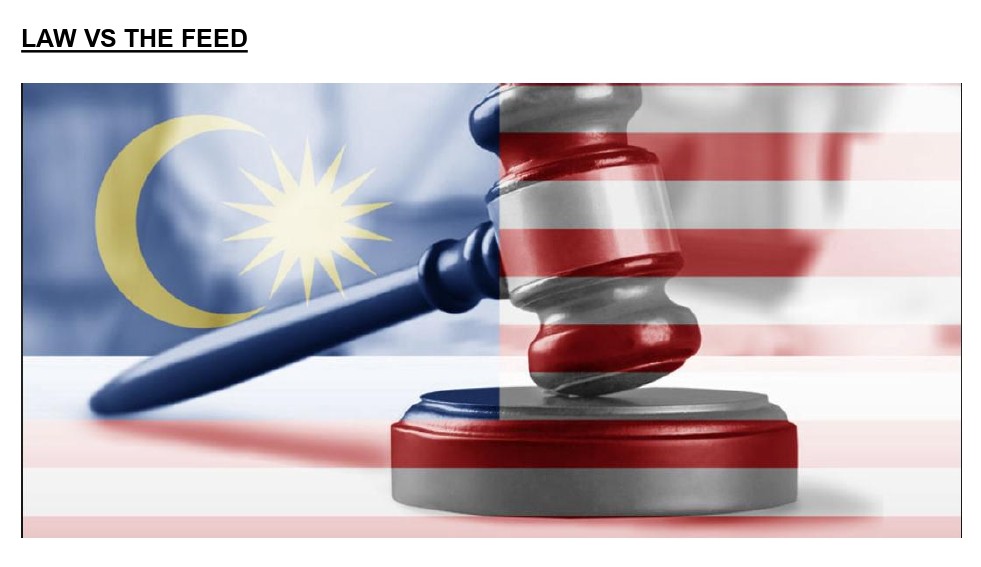
The case of Zara ignited more than grief; it ignited the courtroom of public opinion, where the rules of justice are rewritten by netizens and by the algorithm.
Article 10 of the Federal Constitution of Malaysia guarantees freedom of speech, but it doesn’t guarantee freedom from consequences. Article 5 ensures right to a fair trial, but that does not apply on social media. Online, everyone is prosecutor, judge, and executioner.
The courts have warned us repeatedly. In Ahmad Najib Bin Aris v PP [2009] 2 MLJ 613; [2009] MLJU 109, the Canny Ong case, judges cautioned that media sensationalism can compromise fairness. In the UK, Attorney General v Times Newspaper Ltd [1974] AC 273 (HL) went even further, warning that prejudicial reporting can amount to contempt of court. I think the principle is simple. If you wouldn’t say it before a judge, maybe don’t post it to 50,000 followers. Digital silence can sometimes be the loudest form of respect.
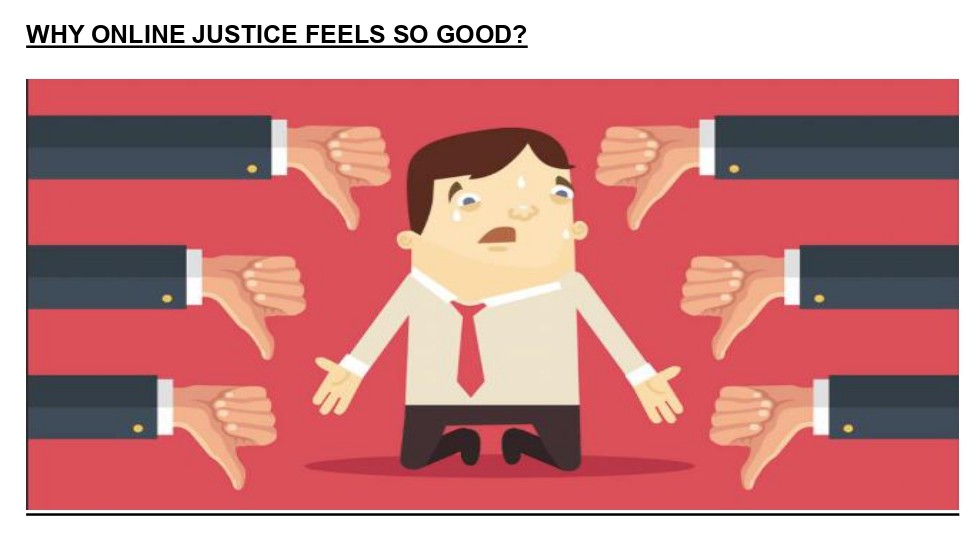
It’s fast. It’s emotional. It makes us feel like we are doing something worthwhile. This desire for instant accountability is human nature. But true justice is a slow, meticulous process. The internet’s verdict is immediate and often irreversible. Once a reputation is destroyed online, no “not guilty” verdict can ever truly undo the damage.
We demanded #JusticeForZara, but in our rush, we put her grieving family on trial and turned a tragedy into a spectacle. The law aims for a fair outcome; the feed just wants a satisfying one.
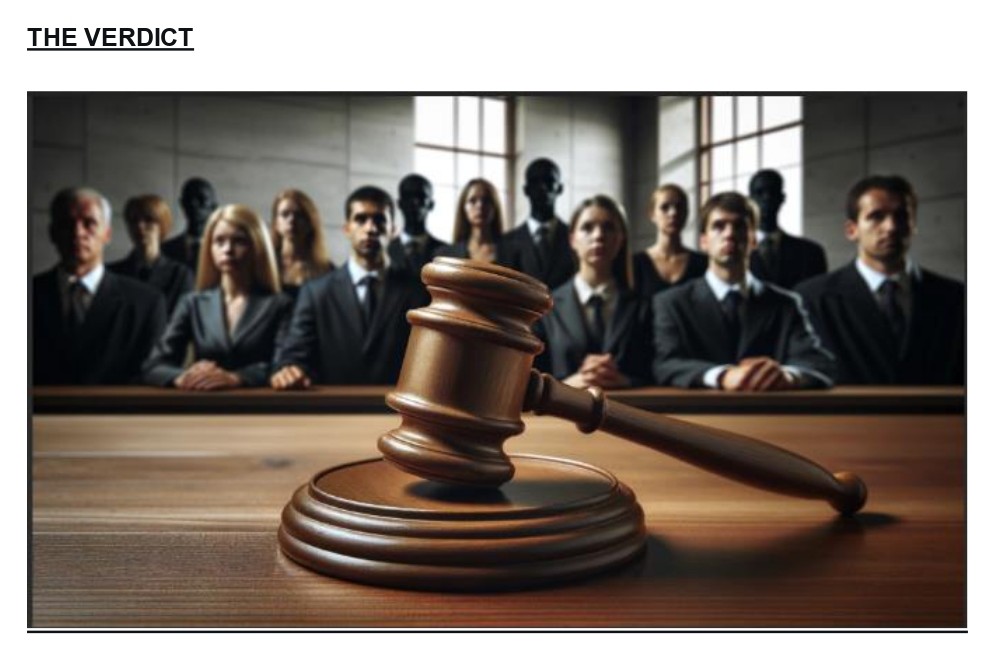
Maybe it’s time we slow down our outrage before justice catches up. Let’s be clear: the court of public opinion will always deliver a faster verdict. It trades in emotion, momentum, and the satisfying thud of a digital gavel. Fairness cannot be crowdsourced. Justice is slow and that’s how it should be. Getting it right takes time. A real court needs evidence, not just comments. A fair trial needs facts, not just feelings.
So next time you see a “trial” on your feed, remember that your timeline isn’t a courtroom, likes aren’t evidence and sharing isn’t the same as caring.
We’re not here to join the mob. We’re here to find the truth, even when it’s not exciting, even when it doesn’t get likes.
Because justice isn’t about what’s trending. It’s about what’s right. And right never needs to go viral to matter.